
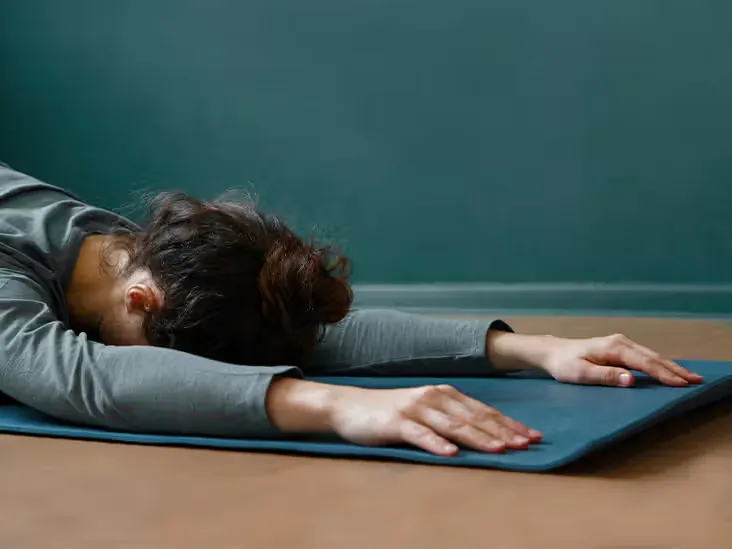
Yoga can be a practical way to bring movement, breathing and focused attention into a busy day. For people experiencing everyday stress, a gentle and consistent practice may provide a structured opportunity to pause, move and reconnect with the body.
1. How can yoga help with stress?
Yoga brings together physical movement, breathing and attention. Unlike a workout that focuses only on physical effort, a yoga practice can also create space to slow down and become more aware of how the body feels.
For everyday stress, this combination can make yoga a useful part of a wider wellbeing routine. The goal is not to perform difficult poses or create a perfect practice. It is to find a form of movement that feels appropriate and sustainable.
2. What type of yoga is best for stress relief?
There is no single style of yoga that is best for everyone. When the goal is relaxation and stress management, a gentler practice may be easier to approach than a physically demanding session.
Slow movement, comfortable stretching, breath awareness and short periods of stillness can all be included. The right practice depends on your experience, physical abilities and individual circumstances.
- Gentle yoga and mobility practices
- Slow stretching with comfortable breathing
- Mindful movement
- Restorative or relaxation-focused practices
- Short breathing and relaxation sessions
3. Can breathing during yoga help you relax?
Breathing is an important part of many yoga practices. Paying attention to the breath can create a simple point of focus while moving or sitting quietly.
A useful approach is to keep breathing comfortable rather than forcing the breath or trying to achieve a particular sensation. If a breathing exercise causes discomfort, stop and return to normal breathing.
4. Which yoga poses can you try for stress?
A stress-relief practice does not need to contain complicated poses. Simple movements that are comfortable for you can be enough to create a short break from prolonged sitting, screen time or mental demands.
For example, gentle seated stretches, supported forward folds, comfortable spinal movements and simple standing poses may be included in an appropriate practice.
- Neck and shoulder movements
- Gentle seated side stretches
- Cat-cow style spinal movement
- Comfortable standing stretches
- Supported relaxation poses
5. How long should you practise yoga for stress relief?
A yoga practice does not have to be long to become part of your routine. A short session that you can repeat consistently may be more realistic than an occasional long session.
You could begin with a few minutes of gentle movement and gradually increase the duration if it feels comfortable. What matters most is choosing a practice that fits naturally into your day.
6. How can you build a simple yoga routine?
Start by choosing a regular time when you are least likely to be interrupted. This could be in the morning, after work or before your evening routine.
Keep the first version simple. A few minutes of movement followed by comfortable breathing or quiet attention may be enough to establish the habit.
As the routine becomes familiar, you can adjust the duration or include other practices that suit your needs.
- Choose a realistic time of day
- Start with a short practice
- Move within a comfortable range
- Keep breathing natural and comfortable
- Repeat the routine consistently
7. What should you keep in mind before practising?
Yoga should be adapted to your physical condition, experience and comfort. You do not need to push through pain or force a position to benefit from mindful movement.
If you have an injury, significant medical condition or concerns about whether a particular practice is appropriate for you, consider getting individual guidance from a qualified healthcare professional or appropriately trained yoga professional.
8. When should you seek help for ongoing stress?
Yoga can be one part of a broader approach to wellbeing, but it should not be treated as a replacement for professional care when stress is severe or persistent.
If stress is significantly affecting sleep, mood, relationships, work or everyday functioning, consider speaking with a qualified healthcare professional.
Key takeaway
A useful yoga practice for stress relief does not need to be complicated. Gentle movement, comfortable breathing and regular practice can create a practical space for pause and recovery.
When to seek professional support
If stress is persistent, severe, worsening or interfering with everyday functioning, consider speaking with a qualified healthcare professional. Stop any yoga or breathing practice that causes pain, dizziness or significant discomfort.
Related Sutra Health resources
Continue with a related topic
Common questions
Common questions about this topic
Can yoga help with stress relief?
Yoga combines movement, breathing and focused attention, making it a practical option to include in a broader approach to managing everyday stress.
Which yoga is best for stress relief?
There is no single best style for everyone. Gentle, slower and relaxation-focused practices may be easier to use when the goal is to create a calmer movement routine.
How long should I practise yoga for stress?
There is no required duration. Starting with a short, comfortable practice that you can repeat consistently may be more practical than beginning with a long session.
Can beginners do yoga for stress relief?
Yes. Beginners can start with simple, comfortable movements and breathing awareness rather than advanced poses. The practice should be adapted to individual ability and comfort.
Can yoga replace professional treatment for stress?
Yoga can be part of a broader wellbeing routine, but it should not replace professional care when stress is severe, persistent or significantly affecting everyday functioning.
This article is provided for general health education and does not replace individual medical advice, diagnosis or treatment. If you have a specific health concern, consult a qualified healthcare professional.